Check Availability
CHILDREN (AGES 0 - 12)
0
You need to select a city first
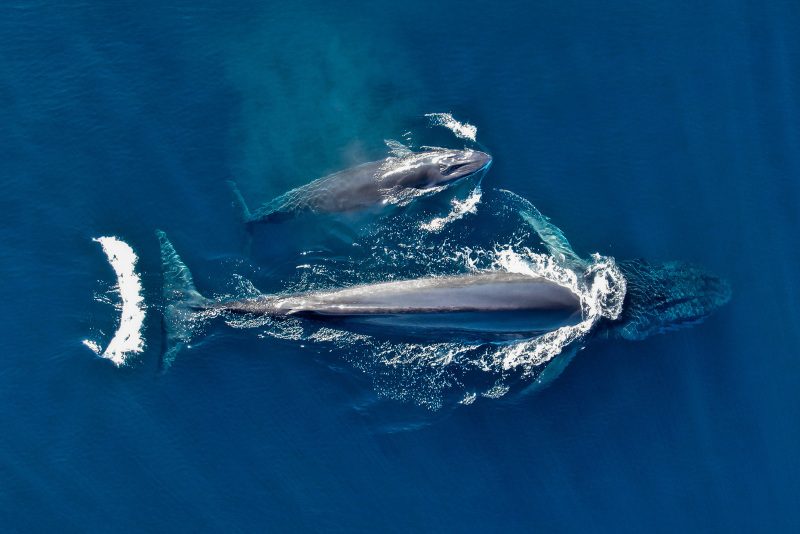
There's something about seeing your first whale that stays with you forever. Maybe it's the moment you spot that telltale spray of mist on the horizon, or the surreal experience of locking eyes with a creature older and larger than anything you've ever encountered. Whatever it is, March in Loreto gives you one last shot at this magic before the whales head north for the summer.
The timing couldn't be better, honestly. The weather's warming up, the Sea of Cortez is calm and inviting, and the whales? They're still here, putting on their final performances before the long swim to Alaska. From Villa del Palmar at the Islands of Loreto, you're perfectly positioned to catch this incredible natural phenomenon.
Why March is Perfect for Whale Watching in Loreto
Here's the thing about March, it's kind of the Goldilocks of whale watching season. Not too hot, not too cold, and the whales are still hanging around before they make their big journey north. We're talking comfortable 70-85°F days, calm waters, and way fewer crowds than you'd deal with in January or February.
Jacques Cousteau called the Sea of Cortez "The World's Aquarium," and once you're out there, you'll get why. March gives you this perfect window where you can actually enjoy being on the water without melting in the sun or bundling up like you're in Alaska.
Blue Whales: The Giants of the Deep
Let me put this in perspective: blue whales are the largest animals that have EVER lived on Earth. Bigger than any dinosaur. We're talking 100 feet long and up to 200 tons. When one surfaces next to your boat, your brain kind of struggles to process what you're seeing. It's one of those "had to be there" moments that photos just don't capture.
March is basically your last call to see these giants in the Sea of Cortez before they head out.
Gray Whales: The Friendly Giants
Gray whales have this reputation for being curious about humans, and it's totally deserved. These guys sometimes actually come up to boats to check you out. It's not uncommon to see moms with their babies in March, and watching a mother whale teach her calf the ropes before their long swim to Alaska is pretty special.
Some people have even had the experience of a gray whale coming close enough to touch (though you're not supposed to reach out, let them come to you). It's that kind of up-close magic that makes Baja California whale watching legendary.
Humpback Whales: The Show-Offs
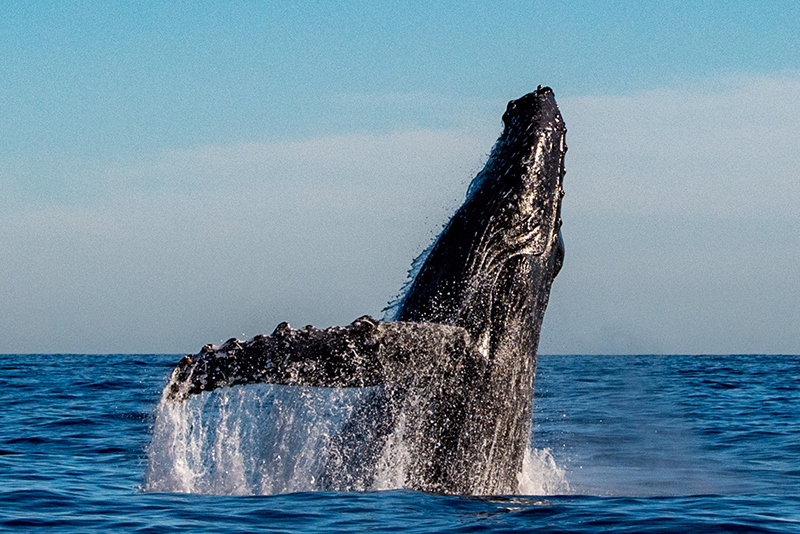
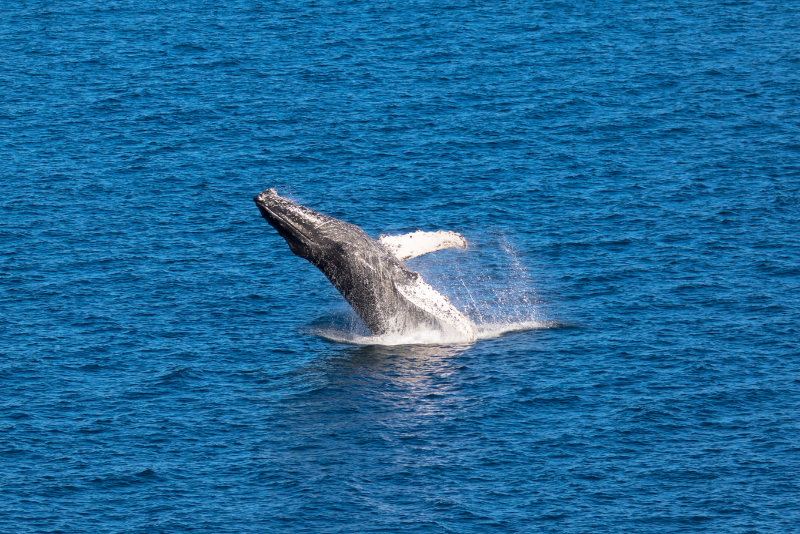
If whales were performers, humpbacks would be the ones doing backflips. These 40-ton acrobats love to breach—basically launching their entire body out of the water and crashing back down in an explosion of spray. Why do they do it? Nobody knows for sure. To shake off parasites? To communicate? Just for fun? Whatever the reason, it's absolutely incredible to witness.
And if you're lucky enough to get a hydrophone on your tour, you might hear their songs, these complex, haunting melodies that males sing during breeding season. It's otherworldly.
Fin Whales and Other Species
The waters around Loreto are also home to fin whales (the second-largest whale species), pilot whales, orcas, and several dolphin species. The biodiversity of the Sea of Cortez means every whale watching tour is unique and full of surprises.
Protected Waters of the National Marine Park
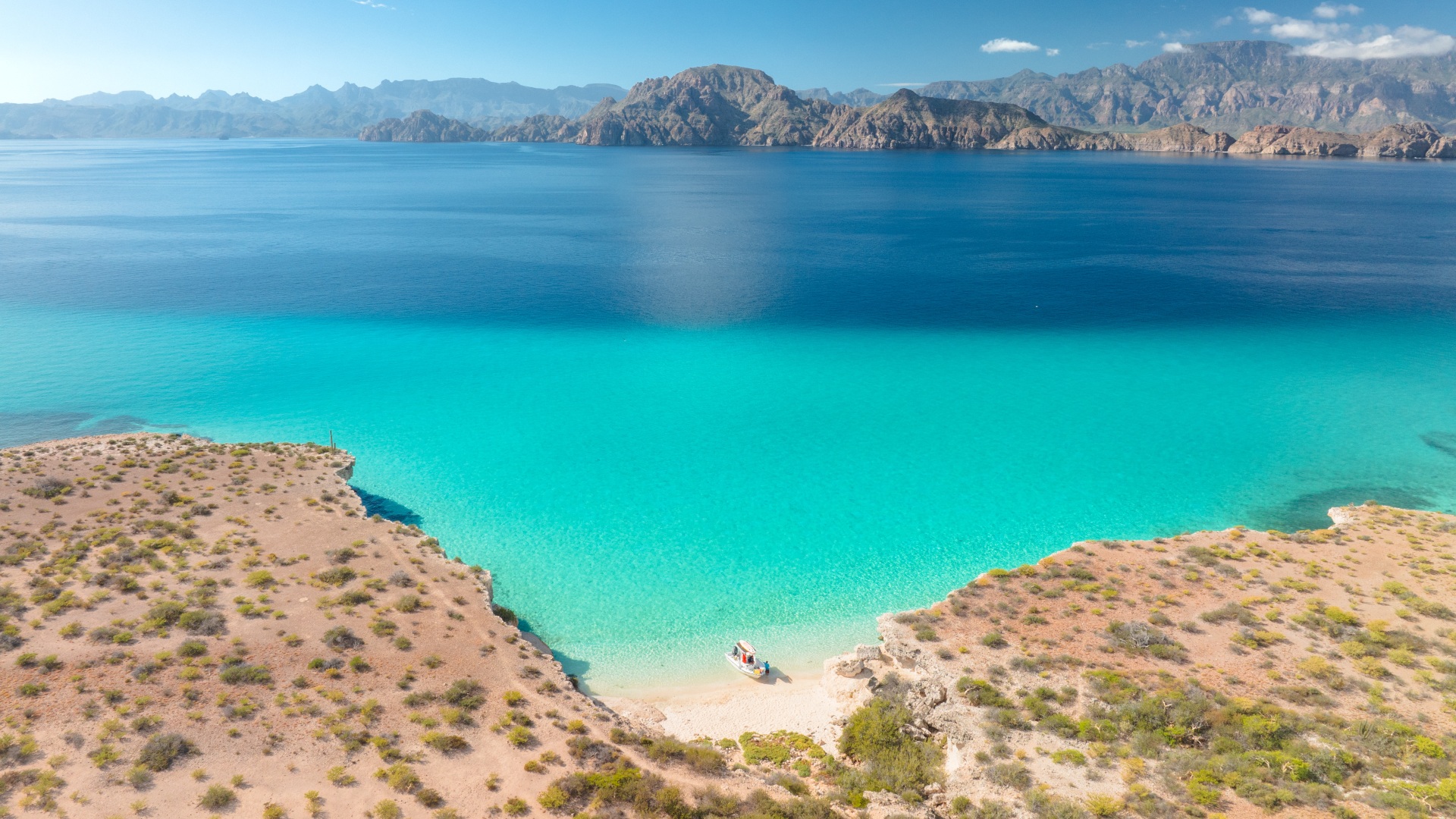
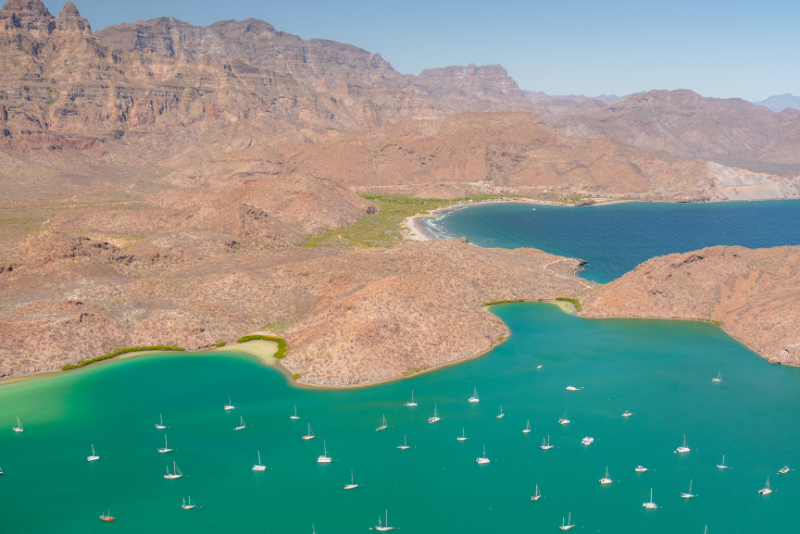
Loreto Bay National Marine Park, established in 1996, encompasses over 800 square miles of protected waters. This conservation area ensures that whale watching tours operate responsibly and sustainably, protecting these magnificent creatures for generations to come. The park includes the five spectacular islands visible from Villa del Palmar: Coronado, Carmen, Danzante, Montserrat, and Santa Catalina.
Intimate Small-Group Tours
Forget those massive tour boats packed with 100 people all trying to get a photo. Loreto's whale watching is intimate, smaller boats, fewer people, which means you actually get a good view and can hear yourself think. Your guide can answer your questions without shouting over 50 other tourists, and you're not jockeying for position at the railing.
It's the difference between feeling like you're at a concert versus being part of a mob scene.
Expert Local Guides
The whale watching guides in Loreto aren't just boat captains—they're marine naturalists who have spent years, sometimes decades, studying the behavior and patterns of Sea of Cortez whales. Their knowledge enhances every moment of your tour, helping you understand what you're witnessing and spot subtle behaviors you might otherwise miss.
Best Time of Day for Whale Watching
Morning tours, typically departing between 8:00 and 9:00 AM, offer the calmest seas and best lighting for photography. The whales are often more active in the cooler morning hours. However, afternoon tours can also be spectacular, with the added bonus of warmer temperatures if you're sensitive to cool ocean breezes.
What to Bring on Your Whale Watching Tour
•Sunscreen and sun protection
•Layered clothing
•Polarized sunglasses
•Camera with zoom lens
•Binoculars
•Light jacket or windbreaker
•Seasickness medication
•Water and light snacks
•Waterproof bag
How Long Are Whale Watching Tours?
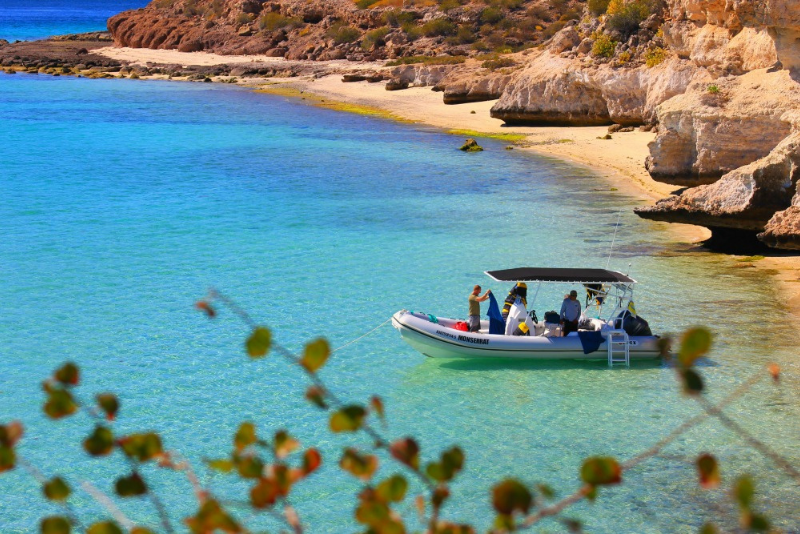
Most whale watching tours from Loreto range from 3 to 5 hours. This gives you ample time to travel to the best viewing areas, spend quality time observing whales, and potentially encounter other marine life like dolphins, sea lions, and sea turtles.
You'll See Way More Than You Expected
The Sea of Cortez is ridiculously biodiverse. On any given tour, you might also spot:
•Dolphins: They love racing alongside boats. Common, bottlenose, spotted, sometimes all three.
•Sea Lions: Colonies hang out on the islands, and they're hilarious to watch, total goofballs.
•Manta Rays: These graceful giants glide by like underwater birds.
•Sea Turtles: Green sea turtles and others pop up when you least expect it.
•Birds: Blue-footed boobies (yes, that's their real name), frigatebirds, pelicans diving for fish.
It's like a greatest hits of marine life out there.
The Islands Are Gorgeous
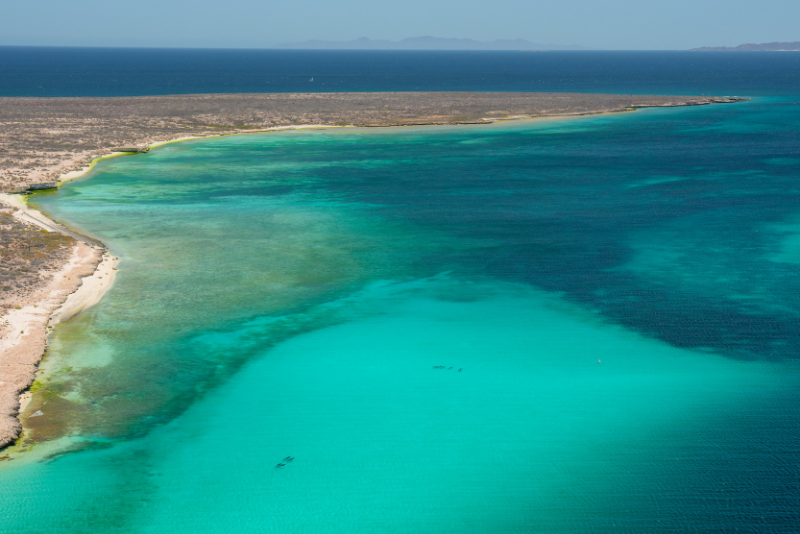
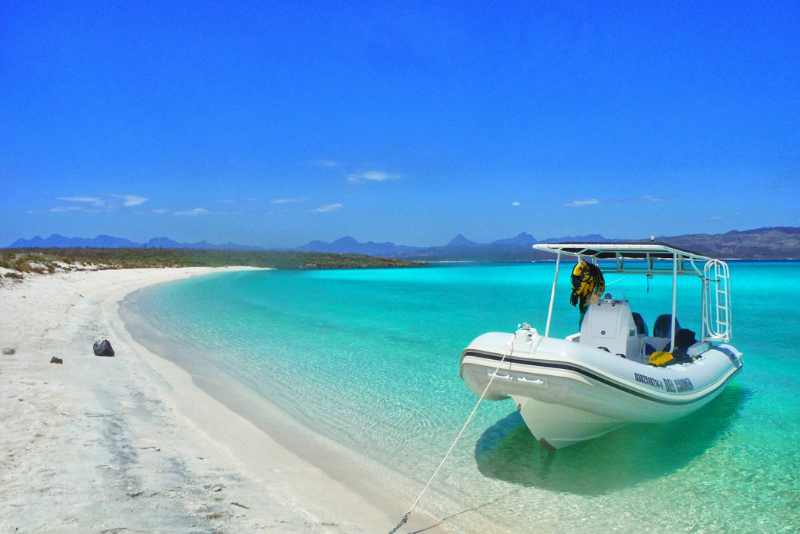
While you're out there watching for whales, take a moment to look around. The volcanic islands rising out of that turquoise water are stunning—dramatic cliffs, hidden coves, beaches where you might be the only person for miles. Many tours will stop at a secluded beach for snorkeling or just to stretch your legs.
It's the kind of scenery that makes you understand why people keep coming back to Loreto.
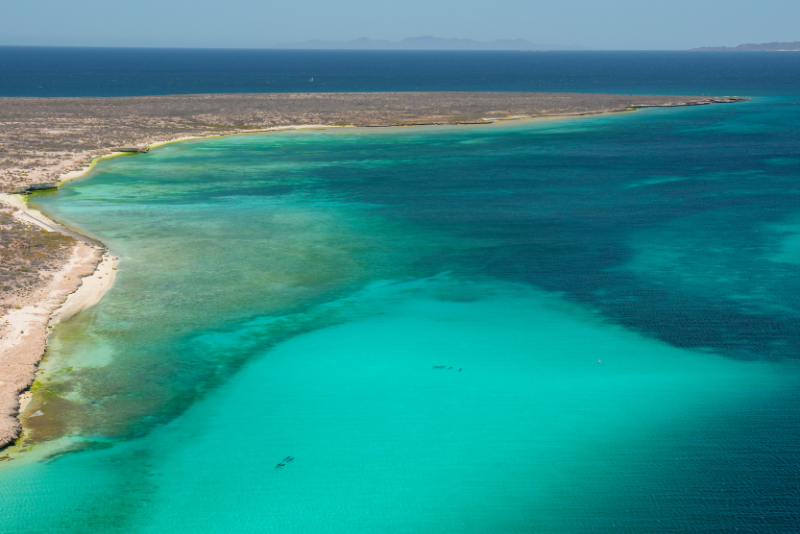
This is one of the most common questions visitors ask, and the answer is reassuring: March is not too late! While April marks the end of peak whale season, March remains excellent for whale watching. You'll still see multiple species, and in some ways, March offers advantages over earlier months.
The whales that remain in March are often more relaxed, having spent months in the warm waters. Mother whales with calves are especially visible as the young whales have grown stronger and more confident. Plus, you'll enjoy warmer weather, calmer seas, and fewer tourists than peak season months.
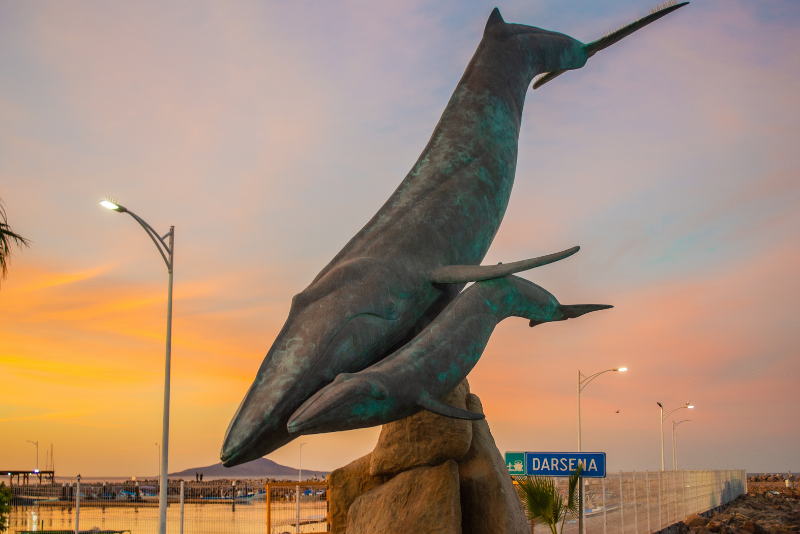
Understanding Whale Behavior
Whales are wild animals, and their behavior is unpredictable. Some days they're incredibly active, breaching and tail-slapping repeatedly. Other days they may be resting or traveling, spending more time underwater. Every whale watching experience is unique, and this unpredictability is part of the magic.
Photography Tips
•Keep your camera ready at all times—whales can surface unexpectedly
•Use continuous shooting mode to capture sequences of behavior
•Focus on the area where you last saw a whale surface—they often reappear nearby
•Don't spend the entire time behind your camera; remember to simply watch and experience
•Video can be easier than photos for capturing unpredictable behavior
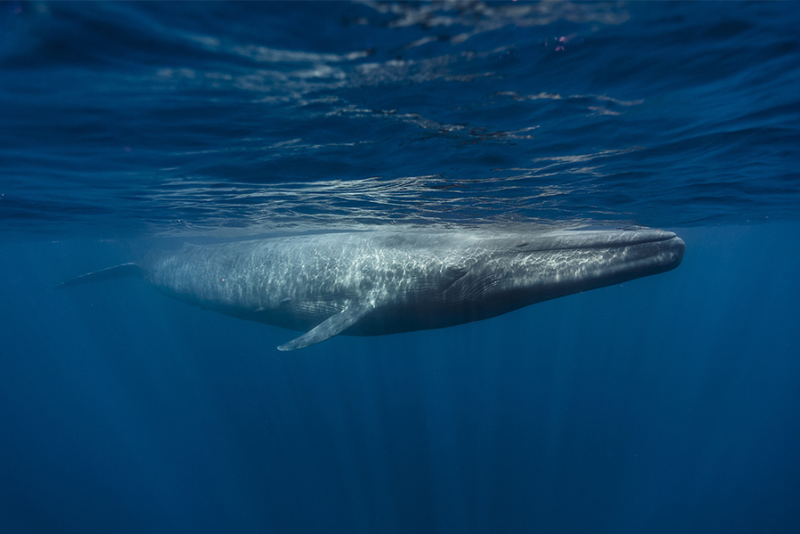
Responsible tour operators follow strict guidelines to ensure whale safety and well-being:
•Maintaining appropriate distances from whales
•Never chasing or cornering whales
•Allowing whales to approach boats voluntarily
•Limiting time spent with individual whales
•Operating at reduced speeds in whale areas
These practices ensure that tourism supports conservation rather than disturbing these magnificent creatures.
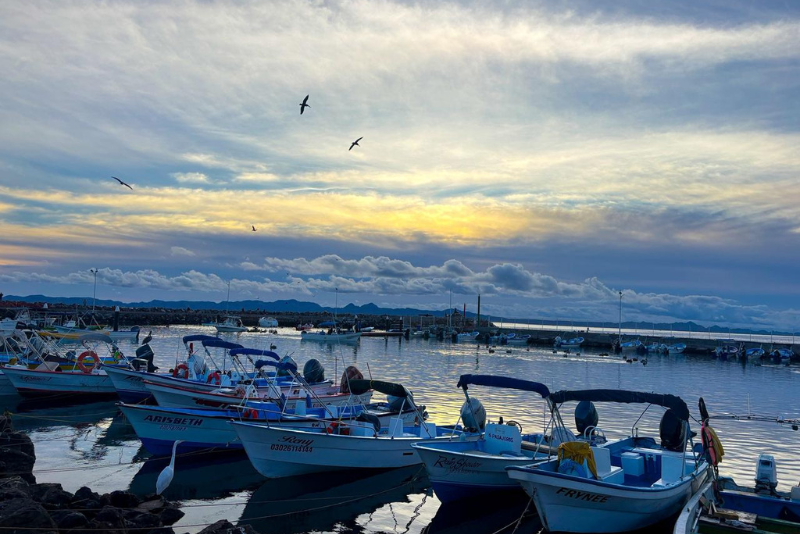
Perfect Location for Marine Adventures
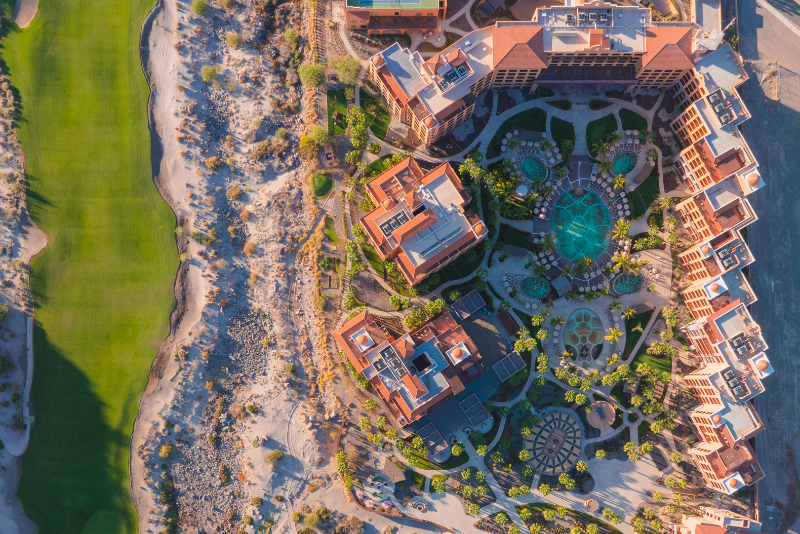
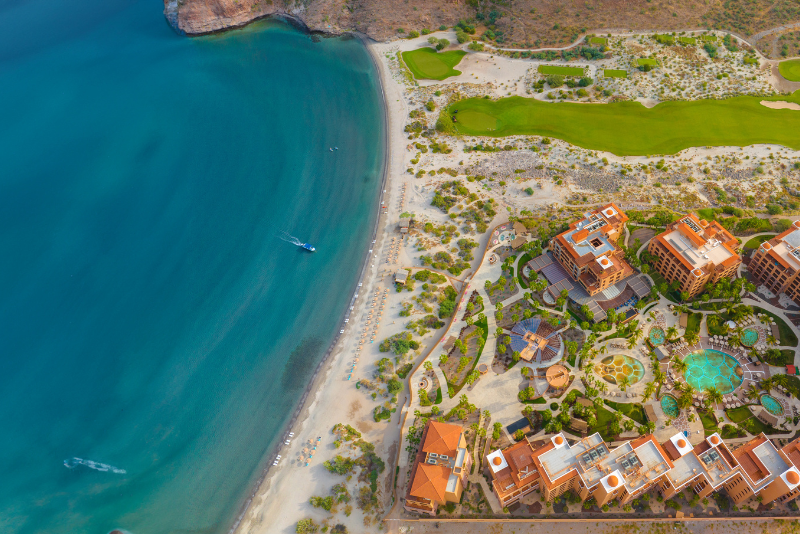
Villa del Palmar sits right on Danzante Bay with those protected islands visible from your room. What does that mean for you? Shorter boat rides to whale territory, which equals more time actually watching whales and less time bouncing over waves to get there.
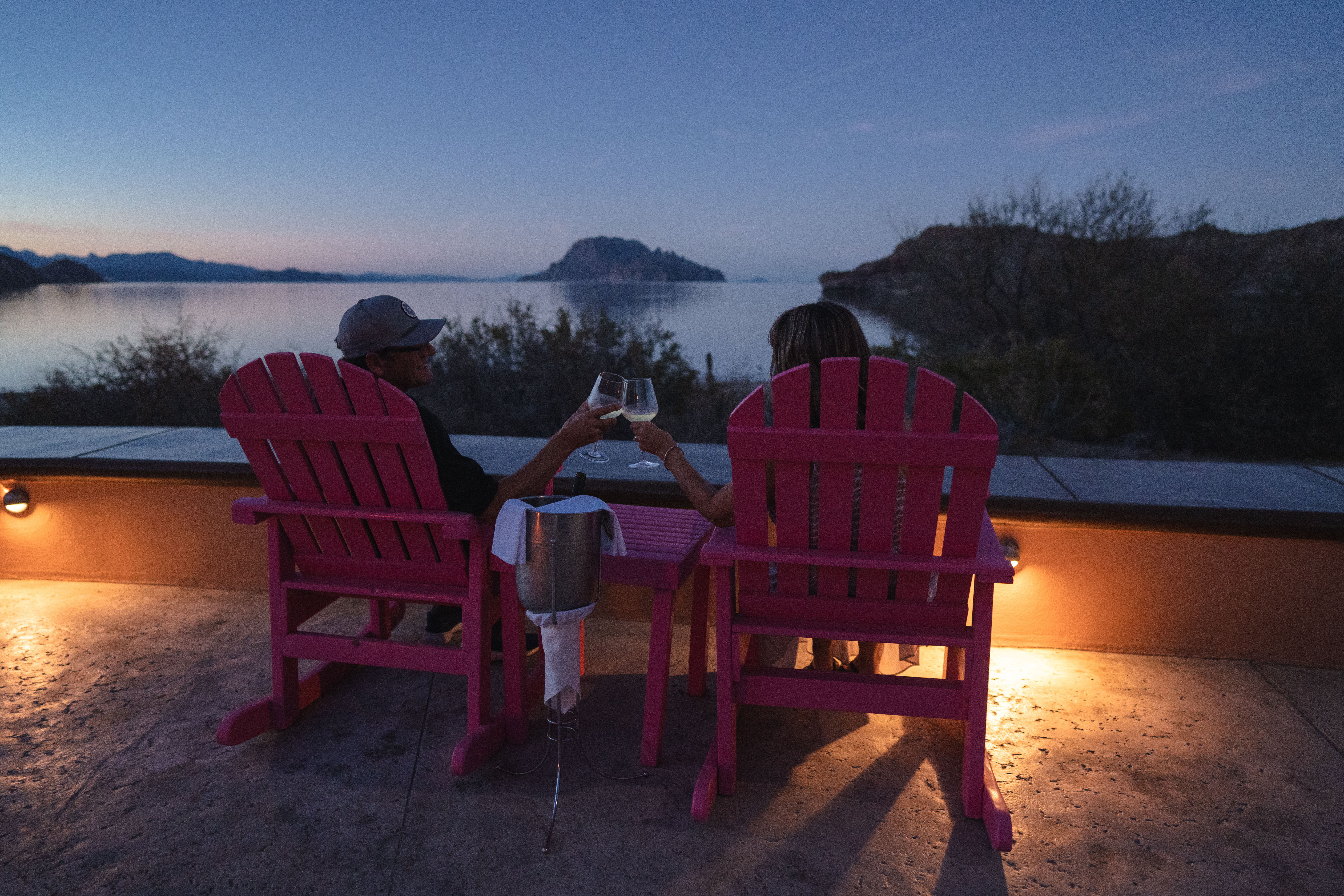
Plus, you can literally plan your whale watching tour from your lounge chair by the pool. Not a bad way to vacation.
Luxury and Nature Combined
After an exhilarating morning on the water, return to the comfort of luxury accommodations. Enjoy world-class amenities including:
•Spacious suites with ocean views
•Multiple pools and beach access
•A spa that'll work out all those knots from leaning over the boat rail
•Gourmet dining featuring fresh, local seafood
•Activities desk to arrange whale watching tours and other excursions
Villa del Palmar's all-inclusive packages mean you can stop doing math in your head every time you order a drink or snack. Meals, beverages, activities—it's covered. You can actually relax and focus on the whole "vacation" part of your vacation.
Combine Your Whale Watching with More Adventures
March is an ideal time to experience everything Loreto offers:
Snorkeling and Diving: The underwater world here is unreal. Crystal-clear water, colorful fish, and you can literally swim with sea lions who act like playful puppies.
Kayaking: Paddle around the islands at your own pace. Find hidden beaches, explore caves, and maybe surprise a sea turtle or two.
Sport Fishing: March kicks off prime fishing season. Dorado, yellowtail, roosterfish, this is a fisherman's paradise.
Island Hopping: Spend a day exploring Coronado, Danzante, or Carmen Island. Pristine beaches where your footprints might be the only ones.
Desert Hiking: The Sierra de la Giganta mountains are right there. The contrast between desert and sea is pretty stunning.
History and Culture: The town of Loreto is worth exploring. The Mission dates back to 1697, and the local food scene is fantastic.
Supporting Marine Conservation
By choosing responsible whale watching operators and staying at eco-conscious resorts like Villa del Palmar, you're supporting marine conservation efforts in the Sea of Cortez. Tourism revenue directly contributes to protection efforts, research programs, and community education initiatives.
The Future of Loreto's Whales
The waters around Loreto represent critical habitat for multiple whale species. Conservation efforts have allowed whale populations to recover significantly since commercial whaling ended, but continued protection remains essential. Your visit contributes to the economic incentive for maintaining these protections.
How to Reserve Your Tour
Villa del Palmar's concierge can arrange whale watching tours with the most reputable operators in Loreto. Booking in advance is recommended, especially for weekends and holidays, though March typically has better availability than peak season months of January and February.
What Tours Cost
Whale watching tours in Loreto typically range from $150 to $300 USD per person, depending on tour length, boat size, and inclusions. Private tours are also available for groups seeking a more exclusive experience. *Prices are subject to change and may vary based on seasonality, availability, and tour operator.
Weather and Cancellations
March weather in Loreto is generally excellent, but occasionally strong winds can make boat travel uncomfortable or unsafe. Reputable operators will reschedule or refund tours if conditions aren't suitable. Trip insurance is recommended for valuable peace of mind.
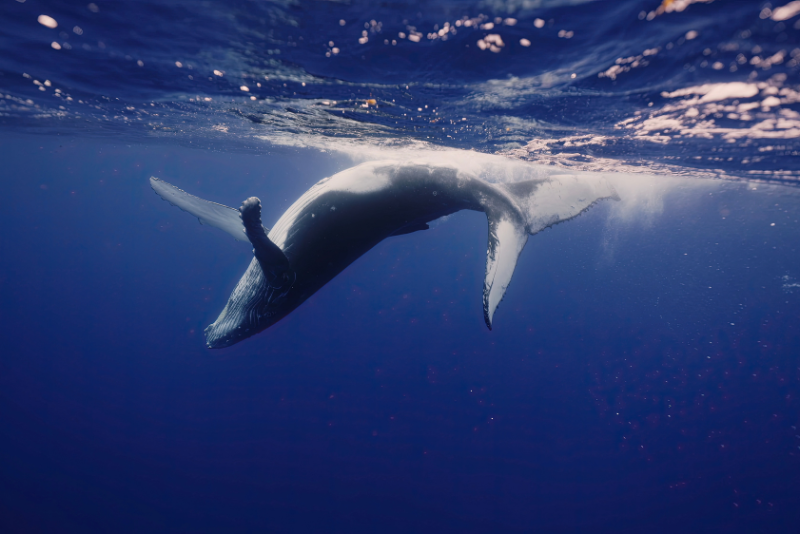
How close can boats get to whales? Mexican regulations require boats to maintain at least 50 meters (about 165 feet) from whales. However, whales often approach boats on their own, creating incredibly close encounters that are both legal and ethical.
Can children go whale watching? Absolutely! Whale watching is a wonderful family activity. Children typically must be at least 5 years old, and tours are educational and engaging for kids. Life jackets are provided in all sizes.
What if I get seasick? Choose a morning tour when seas are calmest, take medication preventatively, focus on the horizon, and stay in fresh air. Most people find the excitement of seeing whales overcomes any queasiness.
Do you always see whales? Whale sightings can never be guaranteed, as these are wild animals. However, during whale season in Loreto, encounters are very common.
How many whales might we see? This varies greatly depending on the day and whale activity. Some tours encounter dozens of individual whales, while others may have extended close encounters with just a few. Quality of experience isn't determined solely by quantity.
March hits that sweet spot in Loreto, whales still around, weather getting better, crowds thinning out. It's honestly one of the best times to visit. The combination of incredible wildlife, protected waters, knowledgeable guides, and the comfort of Villa del Palmar makes for a trip you'll be talking about for years.
As March winds down, the whales start their long swim back to Alaska. It's an ancient pattern that's been happening for millions of years, and you get to witness it. That's pretty special when you think about it.
The clock's ticking on whale season. They're not going to wait around, and you shouldn't either. Book your March trip to Loreto and see what all the fuss is about. Seriously, you won't regret it.
Ready to experience whale watching in Loreto this March?
Let Villa del Palmar at the Islands of Loreto be your home base for this unforgettable season. Our expert concierge team is happy to help you arrange personalized whale watching excursions, along with a curated selection of activities designed to make the most of your stay.




Subscribe to our newsletter and receive special offers and exclusive Resort news by Email, SMS, or WhatsApp.


Resort Phone: +52 (613) 134 1000
USA/CAN Toll Free Number: 1 800 790 4187
Km. 84, Carretera Transpeninsular, Ensenada Blanca Loreto, 23880 Loreto, Baja California Sur, Mexico


Pegasus: 75285
Copyright © 2021 — All rights reserved