Check Availability
CHILDREN (AGES 0 - 12)
0
You need to select a city first
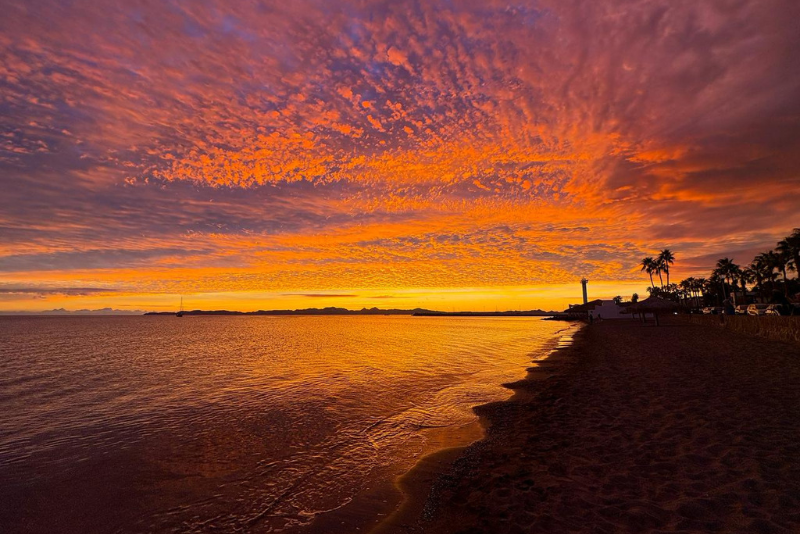
If you're tired of fighting for beach space in Cabo or navigating hordes of spring breakers in Cancún, let me tell you about a place that feels like stepping back in time to when Mexico was still Mexico. Loreto sits quietly on the eastern shore of Baja California Sur, waiting for travelers who value authenticity over Instagram crowds.
I’m talking about a town where locals still outnumber tourists, where you can walk the malecón at sunset without dodging selfie sticks, and where the biggest decision you’ll face is whether to snorkel around the islands or hike a desert canyon. This is what travelers mean when they search for uncrowded destinations—and Loreto delivers.
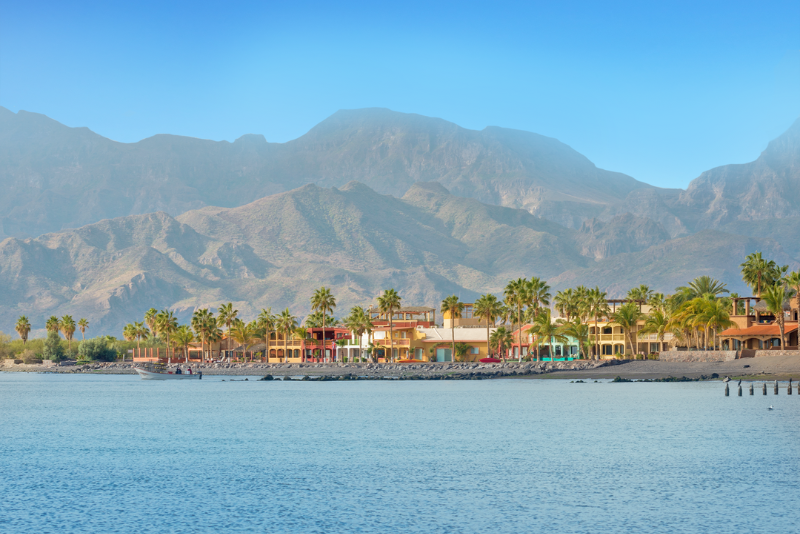
Picture a small coastal town of roughly 20,000 residents, set between the Sierra de la Giganta mountains and the calm waters of the Sea of Cortez. Loreto has grown at a measured pace, without the density or congestion found in many high-traffic destinations, which allows the area to retain a sense of openness and calm.
The town feels lived in rather than built around tourism. The malecón is a place for evening walks, not crowds. The historic mission, founded in 1697, sits quietly at the center of town, part of everyday life rather than a stop on a rushed itinerary. Days unfold naturally, guided more by daylight and tides than by schedules.
Just offshore, the Sea of Cortez—famously described by Jacques Cousteau as “the aquarium of the world”—offers remarkable access to marine life. From Loreto, it’s possible to explore these waters without feeling hurried or overwhelmed, whether by kayak, snorkel, or small boat. Experiences here feel personal, shaped by the environment rather than volume.
Loreto has preserved its character by staying true to its scale. Spanish is spoken everywhere. Local families gather in the plaza in the evenings. Fishermen still head out before sunrise and return with the day’s catch, which often appears on local menus that same day. It’s this steady, authentic rhythm that makes Loreto feel genuinely uncrowded.
One of the best-kept secrets about Loreto? It's surprisingly accessible, with direct flights from major cities that make it easy to escape the crowds.
Direct Flight Options:
•Los Angeles (LAX): Alaska Airlines operates nearly daily flights, taking just 2 hours
•Phoenix (PHX): American Airlines offers multiple weekly flights, about 2 hours
•Dallas (DFW): American Airlines seasonal service, approximately 2 hours 45 minutes
•San Francisco (SFO): Alaska Airlines seasonal flights during peak travel months
•Calgary (YYC): WestJet seasonal service (October-April), perfect for Canadian snowbirds, about 4 hours
•Tijuana (TIJ): Volaris and Calafia Airlines provide the shortest flights at just 1 hour 40 minutes
Pro tip for San Diego residents: Use the Cross Border Xpress (CBX) pedestrian bridge to walk directly into Tijuana’s airport from the U.S. side. From there, you can catch a quick Volaris flight to Loreto, often making the journey smoother and more efficient than connecting through LAX.
Loreto International Airport is small—think one room for arrivals and one for departures—but that’s part of its appeal. You’ll clear customs quickly and be at your hotel within about 30 minutes.

The beauty of Loreto is that it's a year-round destination, with each season offering something unique. Here's what to expect:
Winter (November-March): Peak Comfort
•Daytime temperatures: 65-80°F (perfect for hiking and exploring)
•Nighttime temperatures: 50-60°F (bring a light jacket)
•This is whale watching season! From January through March, blue, humpback, and gray whales migrate through these waters
•Clearest skies and minimal rainfall
•Most popular time for North American visitors escaping winter
Spring (April-June): Sweet Spot
•Temperatures: 70-95°F
•Ideal for beach activities and water sports
•Ocean temperatures warm up, perfect for extended snorkeling sessions
•Fewer crowds than winter, better deals on accommodations
•Great fishing season begins
Summer (July-September): Budget-Friendly Heat
•Temperatures: 85-100°F with higher humidity
•This is the rainy season, though rain usually comes in brief afternoon showers
•Warmest ocean temperatures of the year (great for diving)
•Best fishing of the year for marlin, sailfish, and dorado
•Lowest prices on flights and hotels during the warmest months
Fall (October-November): The Hidden Gem
•Temperatures: 75-90°F
•Many locals consider November the absolute best month to visit
•Ocean is still warm from summer (70-80°F)
•Hiking becomes comfortable again as temperatures drop
•Fewer tourists, better deals, perfect weather

Snorkel and Dive Coronado Island
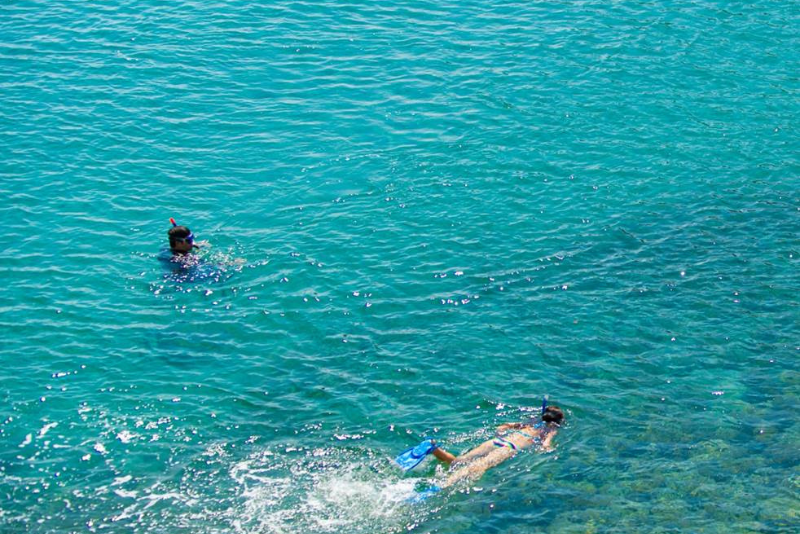
This is widely considered one of the top activities in Loreto. Coronado Island sits within Loreto Bay National Marine Park, where the underwater world is remarkably rich. While snorkeling or diving, you may spot sea lions along the rocky shoreline, see dolphins in the distance, and glide over coral formations filled with colorful fish.
The boat ride out to the island takes about 30-45 minutes, and most tours include equipment rental, lunch, and multiple snorkel stops. Scuba divers rave about the underwater lava formations and the incredible visibility, especially from late summer through fall when ocean temperatures peak.
Watch Whales (January-March)
Between January and March, Loreto becomes one of Mexico's premier whale watching destinations. Blue whales—the largest animals to ever exist on Earth—feed in these protected waters. You'll also spot humpback whales breaching, playful dolphins, and occasionally even orcas.
Local operators run respectful tours that get you close without disturbing these magnificent creatures. Some whales are so accustomed to the boats that they approach out of curiosity, creating once-in-a-lifetime photo opportunities.
Explore the Historic Mission
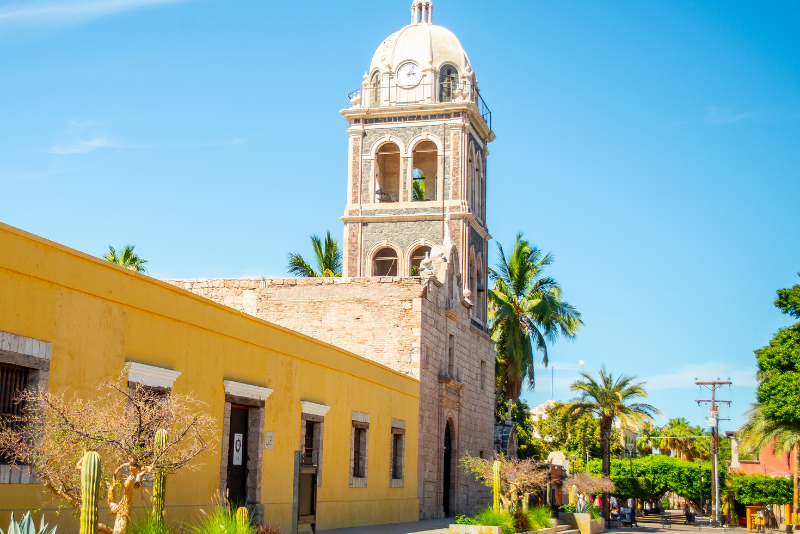
Mission Nuestra Señora de Loreto, built in 1697, was the first Spanish mission in all of California (which once included Baja). The stone church still stands in downtown Loreto, and the attached Museum of the Missions houses fascinating artifacts from the 17th and 18th centuries.
It's a quick visit, but it gives you context for understanding Loreto's significance in Mexican and Californian history.
Hike Tabor or Mesquite Canyon
The Sierra de la Giganta mountains that tower behind Loreto aren't just for show. From November through April, when temperatures cool down, hiking these canyons becomes one of Loreto's most memorable experiences.
Tabor Canyon involves scrambling over boulders and wading through pools of crystal-clear water as you gain about 1,000 feet in elevation. The desert landscape is stunning, with towering cacti and dramatic rock formations. Go with a guide if you're not comfortable with route-finding—the terrain can be tricky.
Go Deep-Sea Fishing
Loreto has been a great fishing destination in Mexico for decades. The waters here are rich with dorado, marlin, yellowtail, yellowfin tuna, and roosterfish. Charter a boat for the day—most hotels can help arrange a fishing excursion—and there’s a good chance you’ll return with enough fresh fish for several meals.
Kayak the Islands
For a more peaceful water experience, rent a kayak and paddle out to the nearby islands. The calm, protected waters of Loreto Bay make this accessible even for beginners. You can explore hidden coves, spot marine life from above, and find your own private beach for lunch.
Multi-day kayaking expeditions are also popular, with outfitters offering camping trips to more remote islands.
Walk the Malecón
Loreto's waterfront promenade, the Malecón, stretches for about 1.2 kilometers along the Sea of Cortez. It's the heart of daily life here—locals walk, jog, and bike here at sunrise and sunset. You'll find the famous "Loreto" sign near the marina, perfect for photos without crowds of tourists waiting their turn.
Stop at one of the beachside restaurants for fresh ceviche, watch fishermen unload their boats, or simply sit on a bench and watch the pelicans dive for fish as the sun sets behind the mountains.
Loreto offers everything from boutique hotels in town to beachfront resorts south of the city.
In Town (Walkable to Everything):
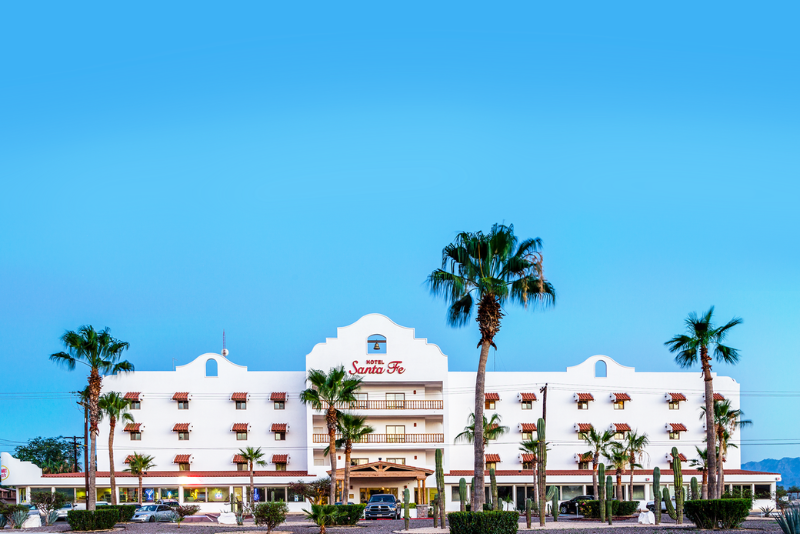
•Hotel Santa Fe Loreto: Family-sized suites with kitchenettes, heated pool, walking distance to everything. Great for families or longer stays.
Beach Resorts (South of Town):
•Villa del Palmar at the Islands of Loreto: Full-service resort on Danzante Bay with a championship golf course, multiple restaurants, and direct beach access. All-inclusive packages available.
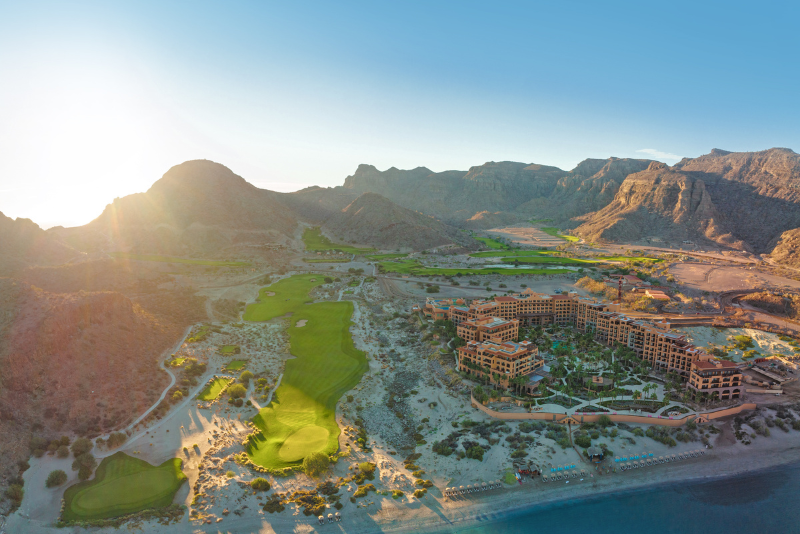
Town hotels put you within walking distance of restaurants, the mission, and local life. Beach resorts offer more privacy, better beach access, and resort amenities. Choose based on whether you want to be in the thick of things or tucked away in your own coastal paradise.
Loreto is widely considered one of the safest destinations in Mexico. The Baja California Sur region doesn't experience the same issues as border areas, and Loreto's small-town atmosphere means locals and visitors coexist peacefully.
That said, use common sense: don't flash expensive jewelry, keep valuables in your hotel safe, and stick to well-lit areas at night. You'll find that locals are genuinely happy to have visitors and go out of their way to be helpful.
Practical considerations:
•Bring pesos for smaller restaurants and shops (though many places accept credit cards)
•Tip 10-15% at restaurants
•Most restaurants close by 9 PM—this is not a late-night party town
•Learn a few basic Spanish phrases; while many people speak English, Spanish is definitely the primary language
•Cell phone coverage is good in town; consider an eSIM for data
•Loreto is extremely walkable; you may not need a rental car if staying in town

Here’s the thing about Loreto: it hasn’t been discovered by the masses, and there’s a reason for that. It isn’t trying to be Cabo. There are no all-you-can-drink party resorts, no large-scale resort districts, and no spring-break scene.
What it offers instead is authenticity. This is a real Mexican town that happens to sit on some of the most beautiful coastline in North America, surrounded by a marine park that protects 800 species of fish and marine mammals. The locals take pride in their community and welcome visitors who appreciate what they've preserved.
When you visit Loreto, you're not fighting crowds to see attractions or waiting in long lines for restaurants. You're experiencing a destination that still feels like a discovery—a place where you can actually relax, connect with nature, and enjoy Mexico the way it used to be.
That's what makes it perfect for travelers searching for uncrowded destinations. It's not just less crowded than Cabo or Cancún—it's a fundamentally different experience. One that prioritizes quality over quantity, authenticity over manufactured experiences, and relaxation over chaos.
So if you're ready to skip the crowds and discover one of Mexico's best-kept secrets, Loreto is waiting.
What is a good alternative to crowded tourist destinations in Mexico?
A good alternative is a destination that offers natural beauty, cultural experiences, and quality accommodations without large crowds or overdevelopment. Loreto is often considered one of Mexico’s best uncrowded destinations because it combines protected nature, a small walkable town, and a slower pace of travel.
Is Loreto crowded compared to other beach destinations in Mexico?
No. Loreto is significantly less crowded than Mexico’s more popular beach destinations. Even during peak travel seasons, beaches, boat tours, and town areas remain calm and uncrowded, allowing visitors to enjoy the destination without long waits or congestion.
Is Loreto, Mexico safe to visit?
Yes, Loreto is considered one of the safest destinations in Mexico. This small town of 20,000 people has very low crime rates. Baja California Sur as a whole is much safer than northern border states, and there are no travel warnings for the Loreto area. Use basic precautions like you would anywhere, and you'll find Loreto to be a welcoming, peaceful destination.
How do I get to Loreto from the United States?
Loreto International Airport (LTO) offers direct or seasonal flights from Los Angeles (Alaska Airlines, about 2 hours), Phoenix (American Airlines, about 2 hours), Dallas (American Airlines, about 2.5 hours), San Francisco (Alaska Airlines, seasonal), and Calgary (WestJet, seasonal, about 4 hours), as well as Tijuana (Volaris, about 1 hour 45 minutes).
What is the best month to visit Loreto?
November is widely considered the best time to visit Loreto, offering temperatures in the 80s-90s, warm ocean temperatures (70-80°F) perfect for water activities and hiking. However, Loreto is a year-round destination: visit January-March for whale watching and coolest weather, April-June for ideal beach conditions, July-September for the best fishing and lowest prices, or October-November for perfect weather with fewer crowds.
How many days should I spend in Loreto?
A minimum of 3-4 days allows you to experience Loreto's highlights: one day for snorkeling or diving at Isla Coronado, one day for a land activity like hiking or visiting the San Javier Mission, and time to explore the town, enjoy the beaches, and savor the local food scene. A week gives you time to truly relax and explore at a leisurely pace.
Can I swim in the ocean in Loreto?
Yes! The Sea of Cortez waters around Loreto are generally calm and safe for swimming, especially in the protected bay areas. Ocean temperatures range from the low 70s in winter to the low 80s in summer. The beaches near town are somewhat rocky and pebbly, but the water is clear and beautiful.
How does Loreto compare to more popular beach destinations?
Unlike heavily visited beach destinations, Loreto prioritizes preservation and low-density development. This results in fewer crowds, more access to nature, and a travel experience that feels calmer and more personal.
What's the difference between Loreto and Cabo San Lucas?
Loreto and Cabo San Lucas are fundamentally different destinations. Cabo is a major tourist hub with mega-resorts, busy nightclubs, crowded beaches, and a party atmosphere—it's popular but feels Americanized. Loreto, by contrast, is a small coastal town that has grown at a much slower pace. The atmosphere is calm and community-oriented, with a strong focus on outdoor activities, nature, and relaxation. Rather than nightlife and crowds, Loreto appeals to travelers who value open space, scenic landscapes, and a quieter rhythm of travel.
Do I need to speak Spanish in Loreto?
While many people in Loreto's tourism industry speak English, Spanish is the primary language. Learning basic phrases will greatly enhance your experience and is appreciated by locals. Most hotel staff, tour guides, and many restaurant servers speak English, but in smaller local spots, Spanish knowledge helps. Even basic attempts to speak Spanish are warmly received.
What activities are available in Loreto besides beaches?
Loreto offers incredible diversity: snorkeling and scuba diving at Isla Coronado, whale watching (January-March), world-class deep-sea fishing, kayaking to remote islands, hiking dramatic desert canyons like Tabor Canyon, visiting the historic 1697 mission, exploring the San Javier Mission in the mountains, golf at TPC Danzante Bay, stand-up paddleboarding, and simply enjoying the authentic Mexican culture in town.
Is Loreto good for families?
Absolutely. Loreto’s calm waters, safe environment, and variety of activities make it ideal for families. Kids can snorkel, explore tide pools, swim in heated resort pools, and enjoy safe beach time. The town’s walkable layout and family-friendly restaurants add to its appeal. Unlike party-focused destinations, Loreto offers a more wholesome family experience.
How far is Loreto from Cabo San Lucas?
Loreto is approximately 300 miles (480 kilometers) north of Cabo San Lucas by road, which takes about 6-7 hours to drive. There are no direct flights between the two cities, so most visitors travel by rental car along the scenic Transpeninsular Highway or connect through other cities. They're quite different destinations—Loreto is peaceful and uncrowded while Cabo is busy and tourist-heavy.
When is the best time to visit Loreto to avoid crowds?
Loreto remains relatively uncrowded year-round, but the shoulder seasons—late spring and early fall—offer particularly quiet conditions while still providing excellent weather and outdoor activities.


Subscribe to our newsletter and receive special offers and exclusive Resort news by Email, SMS, or WhatsApp.


Resort Phone: +52 (613) 134 1000
USA/CAN Toll Free Number: 1 800 790 4187
Km. 84, Carretera Transpeninsular, Ensenada Blanca Loreto, 23880 Loreto, Baja California Sur, Mexico


Pegasus: 75285
Copyright © 2021 — All rights reserved